Insights

Essays on Cleveland and East Cleveland history, oral history, and the everyday practice of public history, from Mays HisToracle Consulting.

  1. Researching Cleveland History: The Archives, Collections and Newspapers Worth Knowing

    A guide to researching Cleveland history: which archives, libraries, newspapers and oral history collections to use, and how to get access to each one.

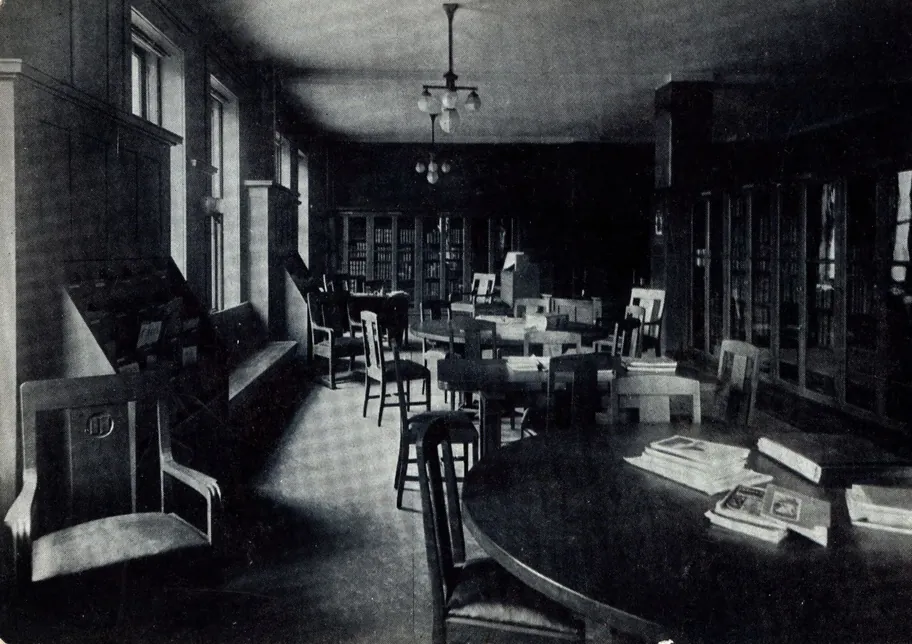
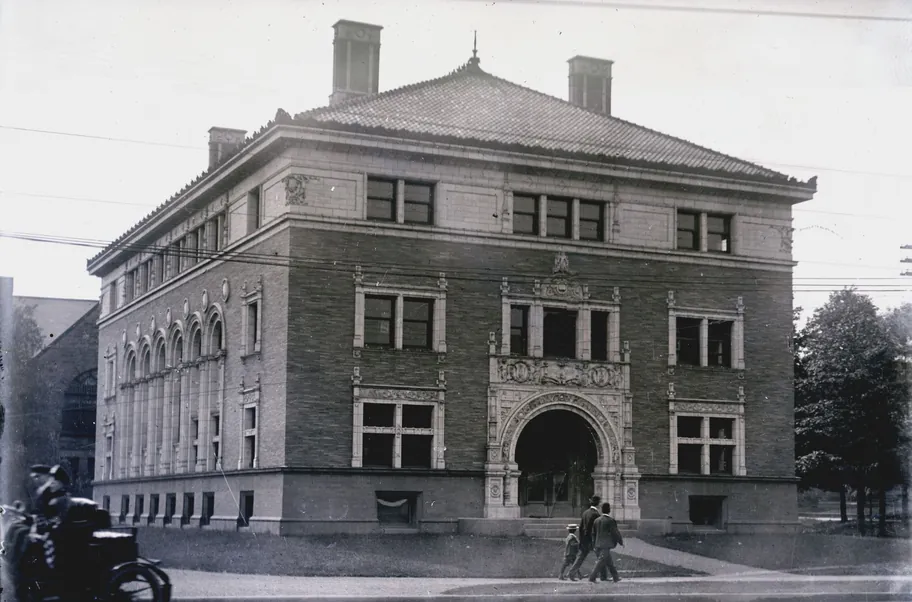
  2. The East Cleveland Public Library: A Carnegie Library and Its Community

    The East Cleveland Public Library is a Carnegie library on Euclid Avenue, opened in 1916 with a $35,000 grant and expanded in 2005 for its community.

  3. Black History Month Ideas: Program Ideas for Workplaces, Schools and Churches

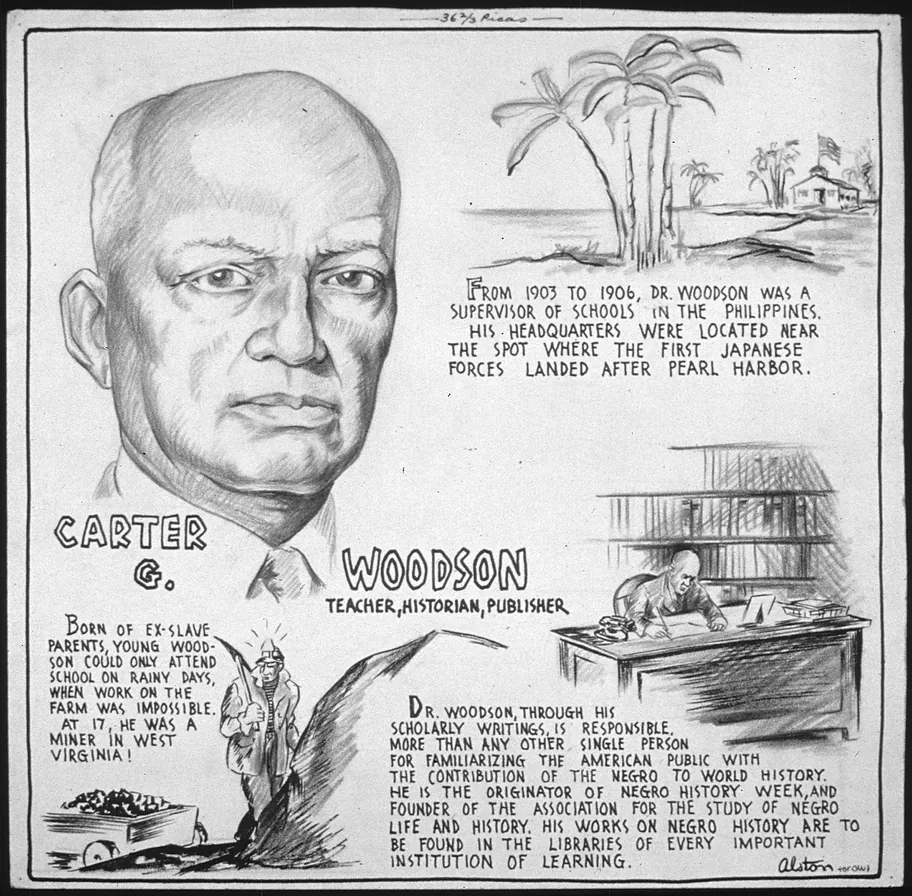
    The best Black History Month ideas start in the fall, follow the ASALH theme, honor Carter G. Woodson’s legacy and put local history at the center.

  4. The Hough Uprising of 1966: What Happened in Cleveland’s Hough Neighborhood

    The Hough uprising, often called the Hough riots, was a week of unrest in Cleveland’s Hough neighborhood that began July 18, 1966, and left four people dead.

  5. When to Hire a Historical Consultant, and What to Expect

    Hire a heritage consultant when a project needs historical evidence researched and interpreted to professional standards; here is what to ask first.

  6. Nela Park: The Lighting Campus That Put East Cleveland on the Map

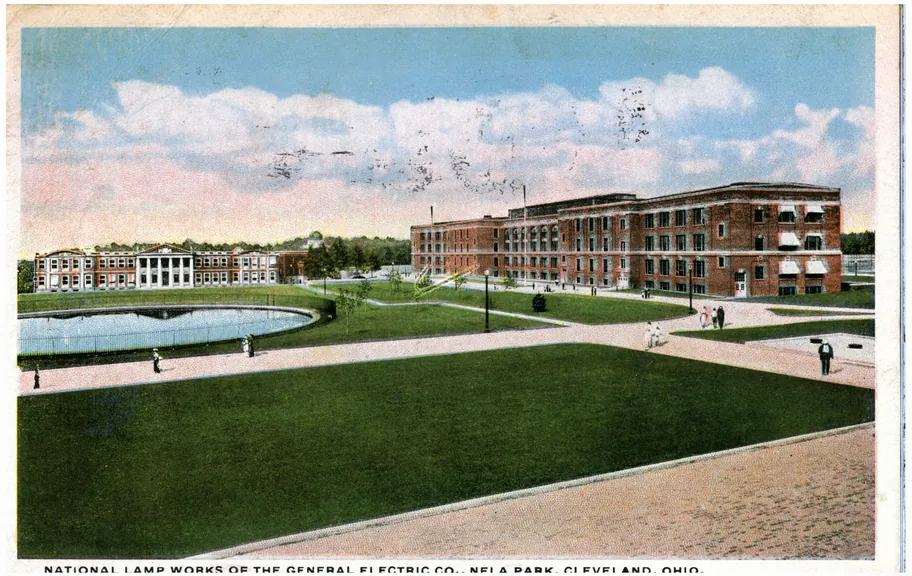
    Nela Park is the lighting research campus in East Cleveland, begun in 1911 and long home to GE Lighting, known for Georgian buildings and holiday lights.

  7. Nonprofit Storytelling: How Your Organization’s History Builds Trust

    Nonprofit storytelling grounded in organizational history gives donors, boards and communities evidence to trust; here is how to research and tell it well.

  8. Carl and Louis Stokes: Cleveland Brothers Who Changed American Politics

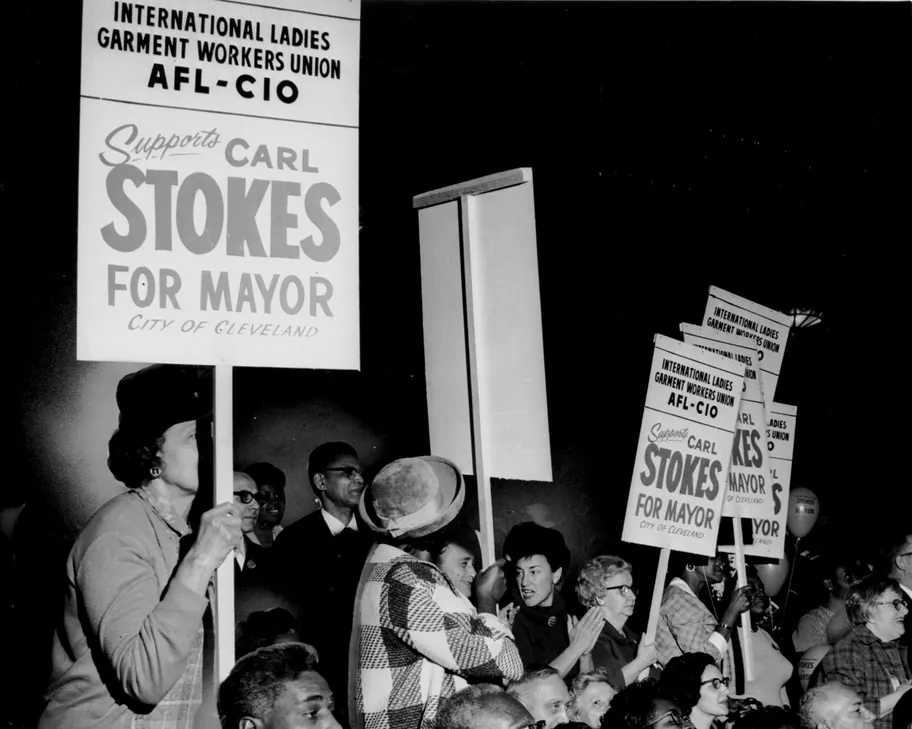
    Carl Stokes was elected mayor of Cleveland in 1967, and his brother Louis served 30 years in Congress as Ohio’s first African American representative.

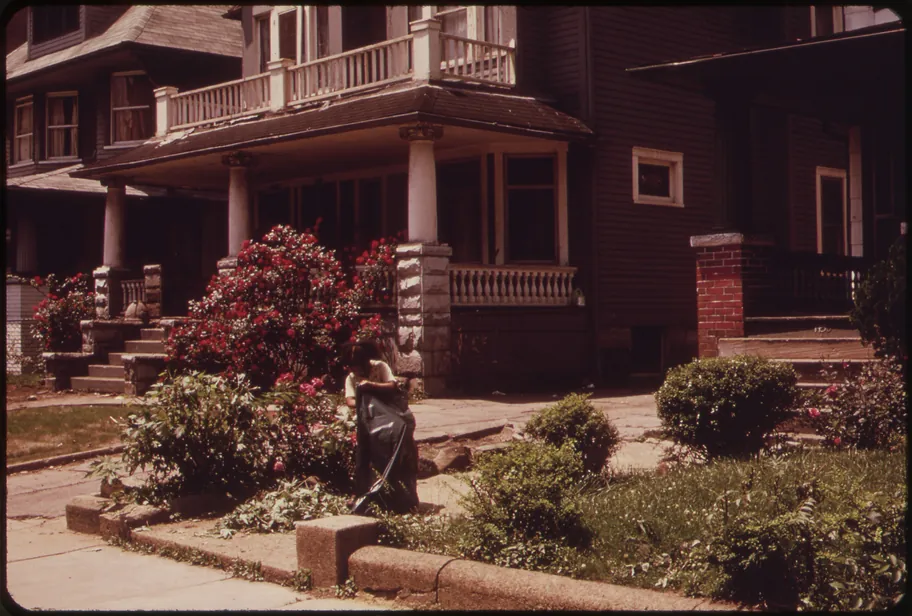
  9. How to Research the History of Your House in Cleveland and Cuyahoga County

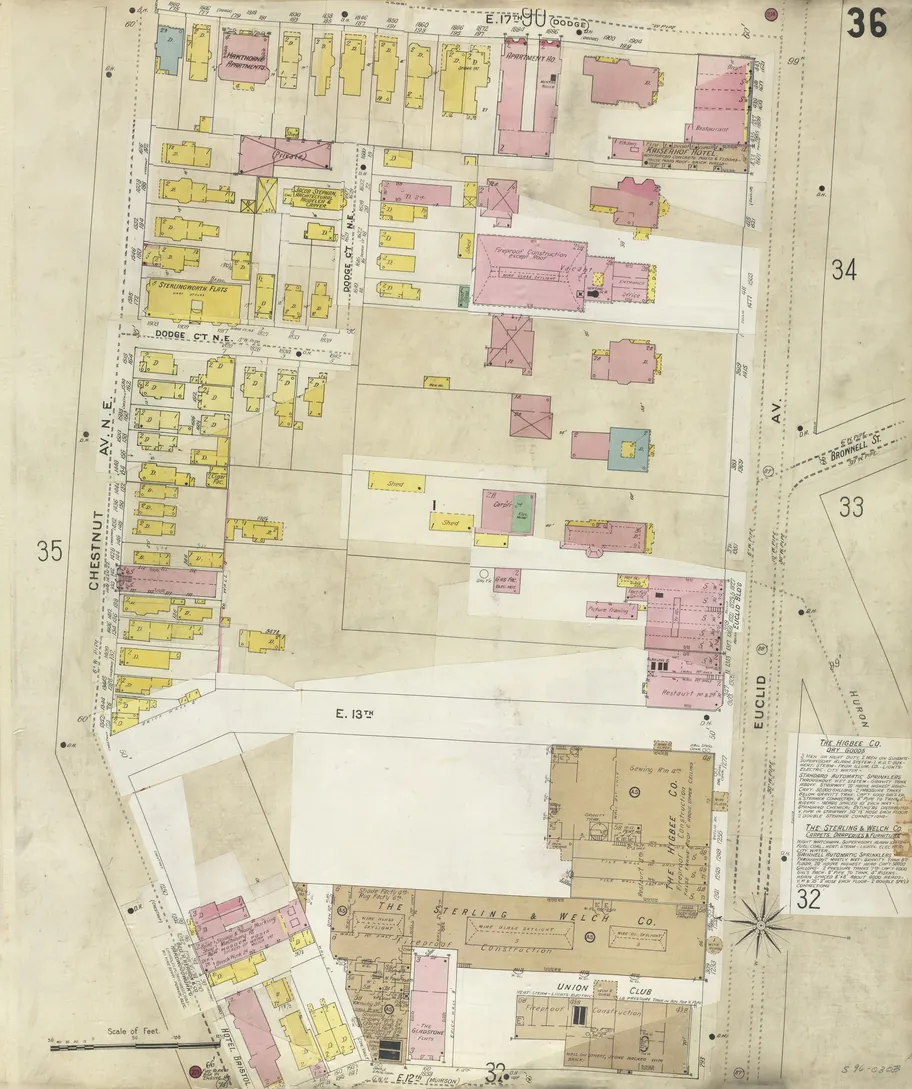
    To find the history of my house in Cuyahoga County, start with the county’s online deed search, then use Sanborn maps, city directories and census records.

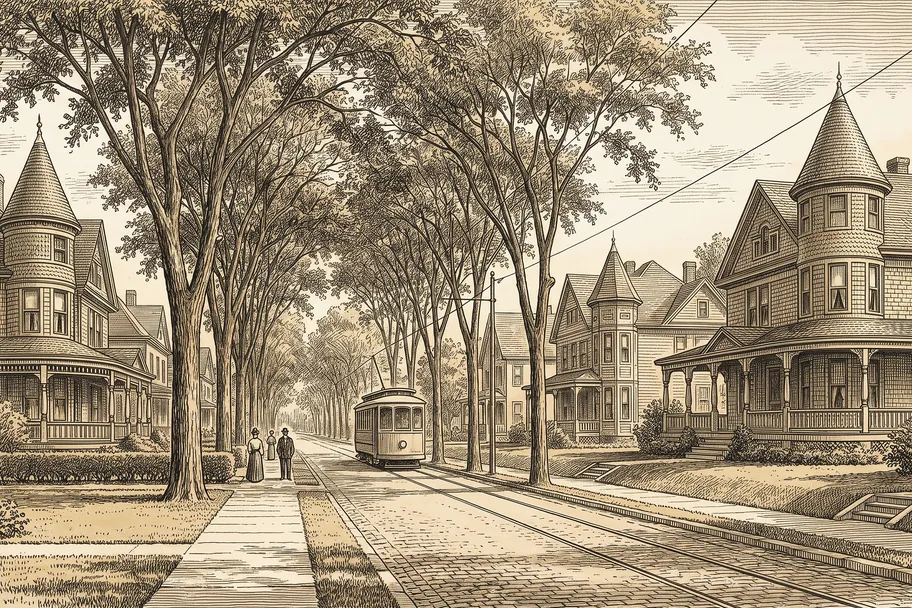
  10. Millionaires’ Row: Euclid Avenue from Cleveland to East Cleveland

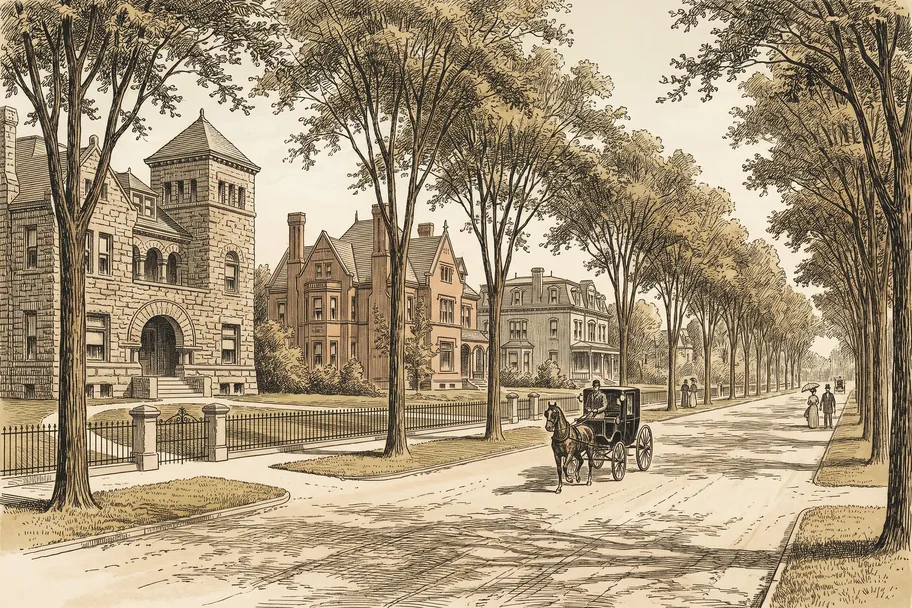
    Millionaires’ Row was the stretch of Euclid Avenue in Cleveland lined with the mansions of the city’s wealthiest families in the late 1800s and early 1900s.

  11. How to Write a Church History Book for Your Congregation’s Anniversary

    A church history book needs a year of lead time, a history committee, the church’s own records, elders’ oral histories and photo permissions; here is how.

  12. Karamu House History: From Playhouse Settlement to Cleveland Landmark

    Karamu House began in 1915 as a Cleveland settlement house founded by Russell and Rowena Jelliffe and grew into a nationally known home for Black theater.

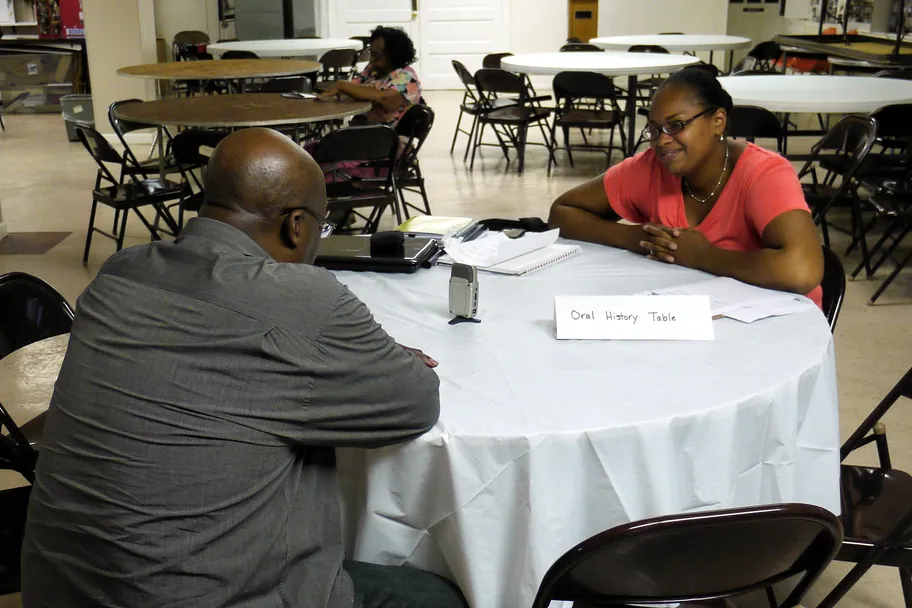
  13. How to Plan a Community Oral History Project, Step by Step

    A community oral history project needs a clear focus, trained interviewers, signed release forms and an archive chosen early; here is how to plan one.

  14. The Great Migration in Cleveland: How Black Southerners Remade the City

    The Great Migration brought Black Southerners to Cleveland from the 1910s to the 1970s, and its Black population grew from 8,448 in 1910 to 287,841 in 1970.

  15. Questions to Ask Your Grandparents Before the Stories Are Lost

    The best questions to ask grandparents are open-ended ones about home, work, family and faith; here is how to record family stories so they last for good.

  16. East Cleveland, Ohio: A Short History of the City

    East Cleveland, Ohio, became a village in 1895 and a city in 1911; this short history traces its growth, its change after 1950 and what residents built.

  17. What Is Public History, and What Does a Public Historian Do?

    Public history is history put to work in the world; here is what public history is, what a public historian does, and where public historians work.

  18. Garrett Morgan: What the Cleveland Inventor Really Invented

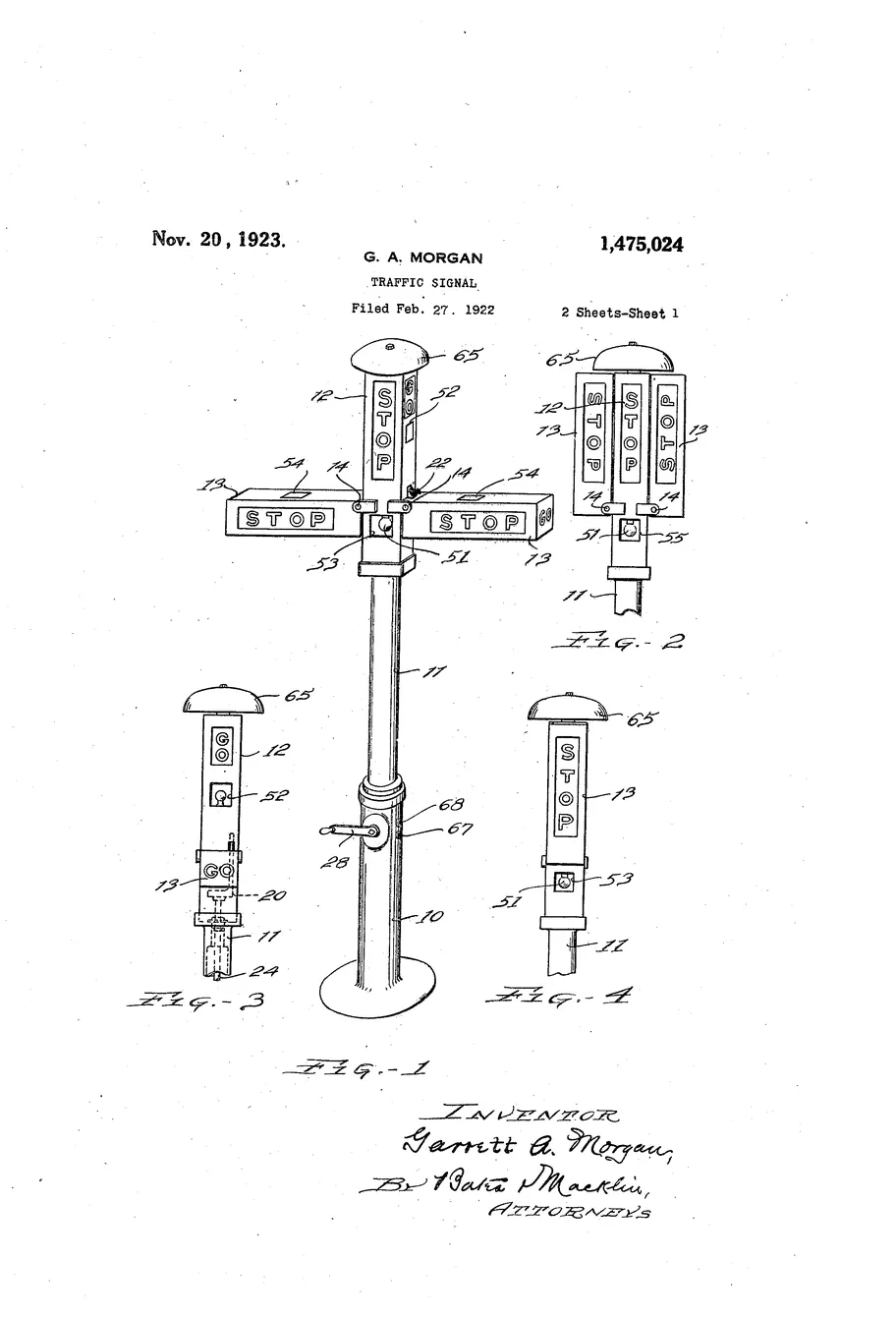
    Garrett Morgan was a Cleveland inventor who patented a smoke breathing device in 1914 and an improved three-position traffic signal in 1923.

  19. What Is Oral History? A Historian’s Plain-Language Guide

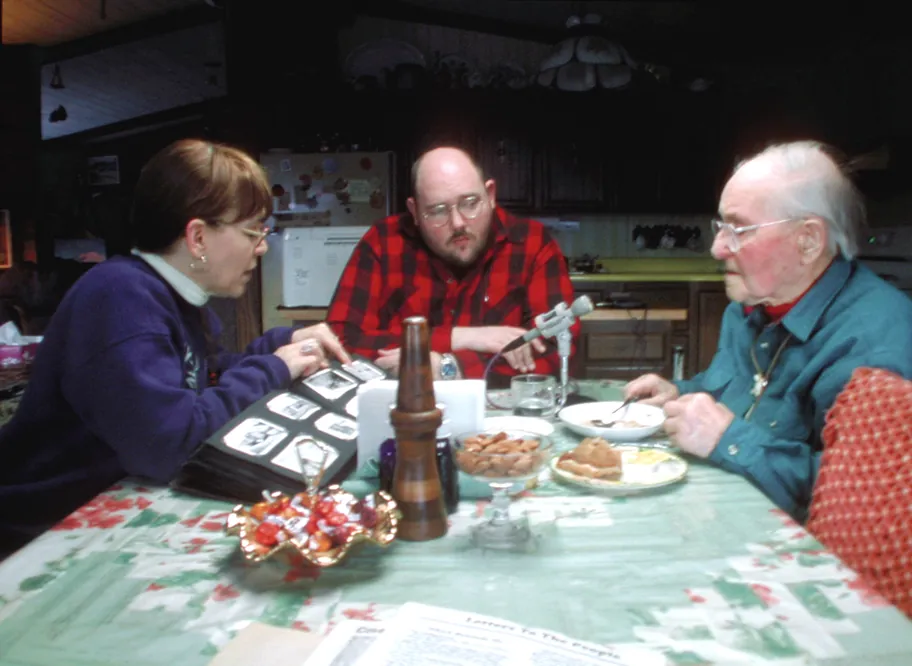
    Oral history is the planned, recorded and archived interview of people about their own past; here is what oral history is, with real oral history examples.