Questions to Ask Your Grandparents Before the Stories Are Lost
The best questions to ask grandparents are open-ended ones about home, work, family and faith; here is how to record family stories so they last for good.
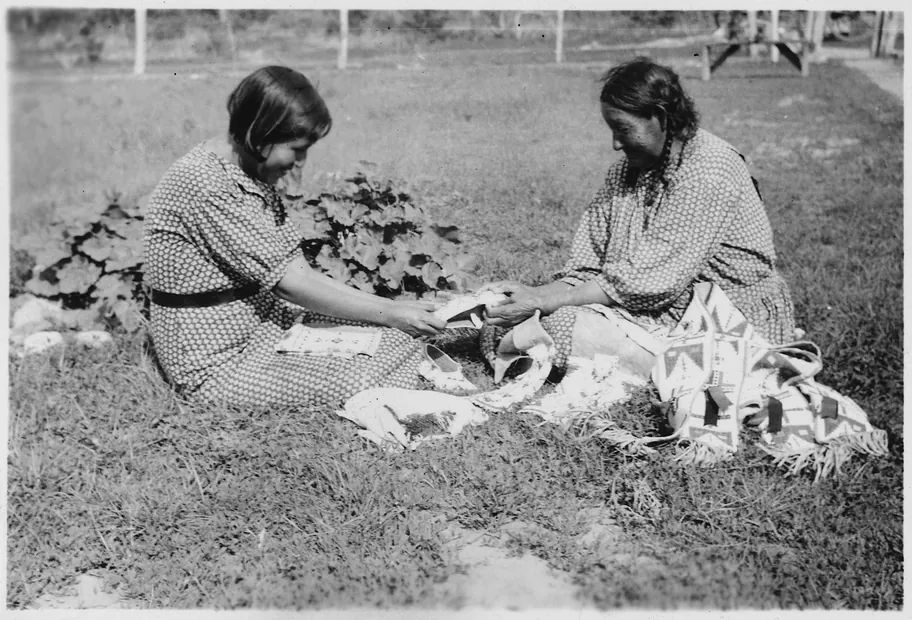
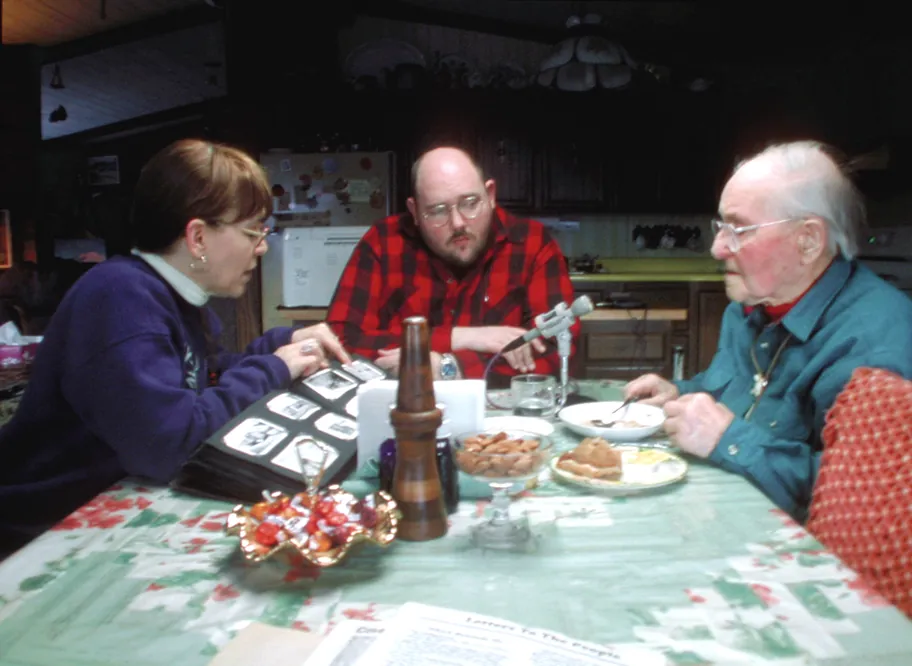
The best questions to ask grandparents are open-ended ones about where they grew up, the people who raised them, the work they did and the turning points that shaped the family. Ask them in a quiet room with a recorder running, begin with “how,” “what” or “why” rather than yes-or-no questions, bring old photographs to spark memories, and save the recording with a note on who, when and where.
This guide gives you family history interview questions grouped by theme, a simple way to record family stories with a phone, and what to do with the recording afterward. The same questions work just as well as questions to ask your parents about their life, or any older relative whose memories you want to keep.
How do you prepare for a family history interview?
A little preparation makes the conversation easier for both of you. These steps draw on the Smithsonian Folklife and Oral History Interview Guide, the Library of Congress Veterans History Project field kit and the Oral History Association’s best practices.
- Talk before you record. The Veterans History Project suggests a short pre-interview by phone or in person. Explain why you want to record, ask what your grandparent would enjoy talking about, and agree on how long the session will run.
- Gather memory prompts. The Smithsonian guide recommends old photographs, family albums, scrapbooks, letters, birth certificates, family Bibles, tools and heirlooms, which “help stimulate memories and trigger stories.”
- Choose a quiet room. Turn off the radio and television. The same guide warns that a ticking clock or clattering dishes can be surprisingly distracting on a recording. Have water and tissues nearby.
- Set up and test your recorder. On an iPhone, the Voice Memos app set to Lossless works well; on Android, use a recorder set to at least 44.1 kHz and 16-bit. An external microphone helps. Record about a minute, then play it back.
- Label the recording out loud. Start by saying your name, your grandparent’s name, the date, the place and the topic. The Oral History Association advises naming the place generically, as in “narrator’s home,” and leaving out the street address.
- Ask for permission on the recording. Explain who will hear it, and make clear that your grandparent can skip any question, take a break or stop at any time.
What questions should you ask your grandparents?
There is no perfect list. The Smithsonian guide notes that “there is no single set of questions that will fit every situation,” so treat these family history interview questions as a menu. Several come from the StoryCorps “Great Questions” lists, which are a good resource in their own right.
Childhood and home
- Where did you grow up, and what did your street or farm look like?
- What was your childhood like?
- Who were your favorite relatives?
- What did your family cook for Sunday dinner or holidays?
- Do you remember any of the stories your grandparents used to tell you?
Parents and family roots
- What were your parents like? What were your grandparents like?
- Where did our family live before that, and how do you know?
- Did anyone in the family move far away for work, safety or opportunity? What did they say about leaving?
- Which names, places and dates should I write down so they are not forgotten?
For many Cleveland families, that third question opens the story of the Great Migration from the South, and the answers are often the only record of why and how a family made the move.
School, work and faith
- What was school like for you? Which teacher do you remember most?
- What was your first job, and how did you get it?
- What part did church or faith play in your family’s life?
- What did you do for fun on a Saturday night?
Love, family and turning points
- How did you and Grandma or Grandpa meet?
- What was my mom or dad like growing up?
- What was the hardest decision you ever made?
- Which event in the news do you remember most clearly, and where were you when it happened?
Looking back
- What are you proudest of?
- How would you like to be remembered?
- For family members listening years from now, is there any wisdom you would want to pass on?
How do you keep the conversation going?
The questions are only a starting point. The best material usually comes from follow-ups, such as “Can you give me an example?” or “How did that happen?”, two prompts the Smithsonian guide recommends. Ask for the details that make a memory concrete: who else was there, what the room looked like, what people said.
Let silence work for you. The same guide advises interviewers not to be afraid of pauses and to give the narrator time to think. If your grandparent wanders onto a subject you had not planned, follow it. Some of the best stories are the ones nobody thought to ask about.
Two more rules from the Smithsonian guide are worth keeping. Do not switch the recorder on and off during the interview, because you will miss things and signal that some memories are not worth keeping. Never record without the narrator’s knowledge. If your grandparent tires, stop and plan another session.
How do you record family stories so they last?
A recording only becomes a family treasure if someone can find it, play it and understand it years from now. Take these steps the same week you record.
- Name and describe the file. Use the narrator’s name and the date in the file name, and write a short note listing who spoke, where and what you covered.
- Make copies in more than one place. The Oral History Association recommends redundant copies kept in different physical locations, in formats that do not depend on one company’s software. A computer, an external drive and a cloud account is a sensible start.
- Write a summary or a timed index. The National Park Service estimates that transcribing one hour of interview takes six to eight hours, and it suggests a timed index or a short abstract as alternatives. Note the minute where each major story begins. If you use voice recognition software, check its transcript against the recording.
- Scan the photographs you used. The Veterans History Project asks for scans of at least 300 ppi, with 600 suggested, and recommends labeling the backs of prints with a soft pencil rather than a pen or marker.
- Give a copy back. Send a thank-you note with a copy of the recording, as the Smithsonian guide suggests. Grandparents often enjoy hearing themselves, and the copy can prompt new memories for a second session.
- Decide where it will live. If you would like the interview kept in a library or archive someday, ask for a signed release now, while it is easy. For a larger effort involving cousins or a whole congregation, see our guide to planning a community oral history project.
Why ask these questions now?
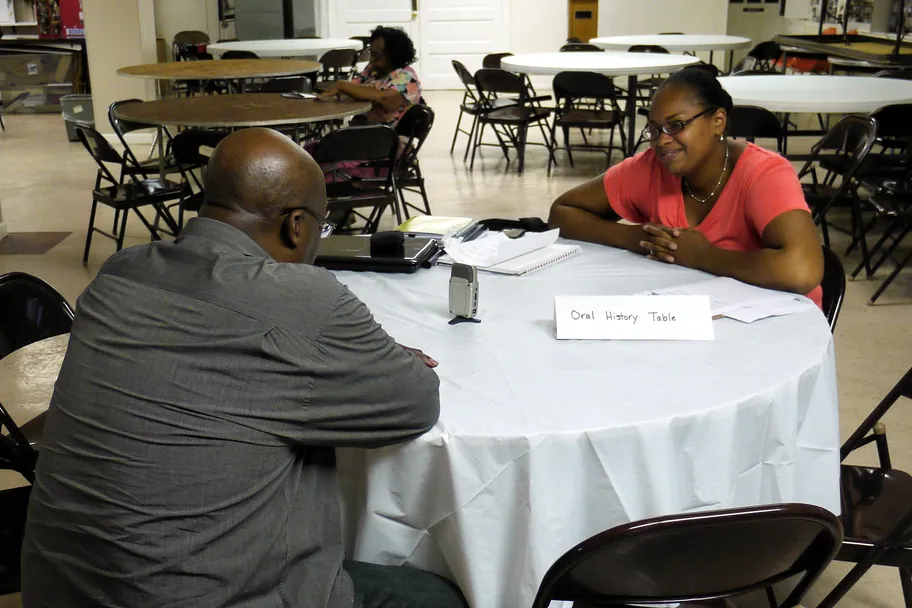
Every family has stories that live in only one person’s memory: how the family came to Cleveland or Cuyahoga County, where a great-grandmother is buried, why a name was chosen. When that person is gone, those details usually go too. A single afternoon with a recorder can keep them, and our introduction to what oral history is explains how the same method preserves whole communities’ memories, as in the interviews of the East Cleveland Oral History Project.
Mays HisToracle Consulting helps families plan and record oral histories and prepare the recordings so they can be kept, shared and understood by the generations that follow.
Questions people ask
How long should an interview with a grandparent last?
Agree on a length before you start, as the Oral History Association recommends, and stop when your grandparent grows tired, as the Smithsonian’s interview guide advises. A first session of about an hour is a sensible plan for most families. If the stories keep coming, stop and schedule a second visit, since a rested narrator remembers more and enjoys it more.
Can I record my grandparents with a phone?
Yes. The Library of Congress Veterans History Project accepts phone recordings and gives simple settings: on an iPhone, use the Voice Memos app with audio quality set to Lossless; on Android, set the recorder to at least 44.1 kHz and 16-bit. It also recommends an external microphone, a quiet indoor room and a short test recording before the full interview.
What if my grandparent does not want to talk about something?
Respect it. The Oral History Association’s guidance for narrators says they may decline any question, take a break or end the interview at any time. Painful subjects sometimes come up later on their own once trust builds, so move on gently. You can also offer to keep part of the recording private, and then honor that promise when you store and share the files.
Do I need a release form to interview my grandparents?
For a private family keepsake, clear spoken permission at the start of the recording is a good minimum. If you might share the interview publicly or give it to an archive, ask for a signed release. The Oral History Association notes that narrators own the words they speak, and that a release is what allows an archive to keep and share them. Give your grandparent a copy of anything signed.
Sources
- Great Questions, StoryCorps.
- Smithsonian Folklife and Oral History Interview Guide, Smithsonian Institution, Museum on Main Street.
- Veterans History Project Field Kit, Library of Congress, American Folklife Center.
- For Participants in Oral History Interviews, Oral History Association.
- OHA Best Practices, Oral History Association.
- Oral History Resources: Interview Transcribing, National Park Service.