Black History Month Ideas: Program Ideas for Workplaces, Schools and Churches
The best Black History Month ideas start in the fall, follow the ASALH theme, honor Carter G. Woodson’s legacy and put local history at the center.
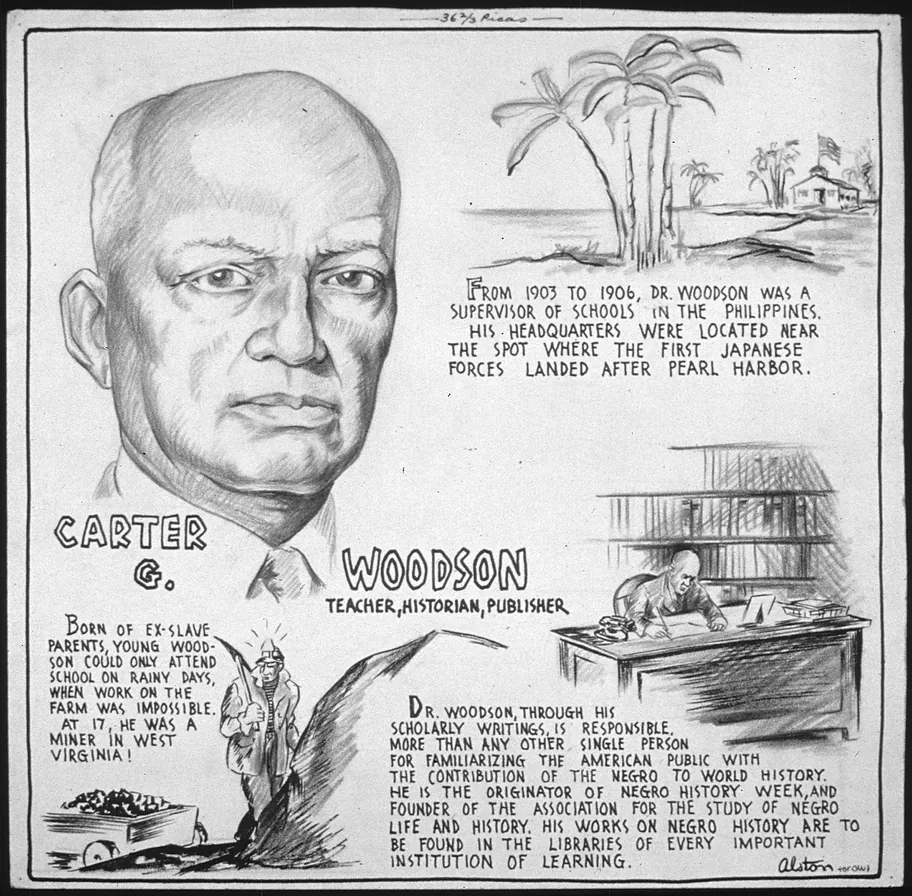
The best Black History Month ideas are planned in the fall, rooted in the history Carter G. Woodson set out to teach in 1926, and built around the Black history of your own city, workplace, school or congregation. Start with the annual theme from the Association for the Study of African American Life and History (ASALH), choose a local focus, invite a speaker who knows the sources, and give people a way to take part rather than only listen.
This guide offers Black History Month program ideas for workplaces, schools and churches, explains how the observance began, and points to Cleveland and Cuyahoga County resources that make local history easy to find. It closes with a simple fall planning timeline.
How did Black History Month begin?
Black History Month grew from Negro History Week, which Woodson launched in February 1926. The association he founded, now ASALH, still sets the annual theme that presidents’ proclamations endorse.
At a glance
- On September 9, 1915, at the Wabash YMCA in Chicago, Carter G. Woodson met with A. L. Jackson “and three others” and formed the Association for the Study of Negro Life and History, according to ASALH’s history of the observance.
- In 1924, Woodson’s fraternity, Omega Psi Phi, created Negro History and Literature Week at his urging.
- Woodson announced Negro History Week in 1925. It was first celebrated in February 1926, in a week that included the birthdays of Abraham Lincoln (February 12) and Frederick Douglass (February 14).
- The celebration “was expanded to a month in 1976, the nation’s bicentennial,” according to the federal Black History Month site. President Gerald R. Ford urged Americans to “seize the opportunity to honor the too-often neglected accomplishments of black Americans in every area of endeavor throughout our history.”
- Since the mid-1970s, ASALH writes, every American president, “Democrat and Republican,” has issued proclamations endorsing the association’s annual theme.
Woodson’s purpose shapes good programming today. ASALH’s history notes that he “believed that history was made by the people, not simply or primarily by great men.” That is a strong argument for programs that look at ordinary people in your own community, not only at famous names.
What is the Black History Month theme?
ASALH’s 2026 theme was “A Century of Black History Commemorations.” It marked 100 years since the first Negro History Week in 1926. ASALH encourages the public to use the theme, and its only requirement is to cite asalh.org.
For 2027, ASALH’s list of themes names “From Black Print Culture to Digital Blackness.” Confirm the theme on asalh.org before you print materials. A print culture theme invites local ideas: the history of a Black newspaper, a church bulletin collection or a neighborhood newsletter.
What are Black History Month ideas for work?
Black History Month ideas for work succeed when they are specific, voluntary and grounded in real history. The strongest workplace programs connect national history to the company’s own city, industry or story.
- Host a lunch-and-learn with a historian. Ask for a talk on Black history in your industry or your city, with time for questions.
- Research your own organization’s history. Who were the first Black employees, managers and board members, and what do the records and retirees say about them? Interview longtime staff with their consent, using the methods in our guide to nonprofit storytelling and organizational history, which apply to companies as well.
- Take a team walking tour. Cleveland Historical’s “African Americans in Cleveland” tour has 33 locations that together tell a broader story of African American life in twentieth-century Cleveland. It opens with the Great Migration of the 1910s and 1920s. Our history of the Great Migration in Cleveland offers background.
- Build an exhibit for a shared space. Pair archival images that are cleared for use with short, sourced captions about local people and places.
What are Black History Month program ideas for schools?
Students learn most when they do the history themselves. These Black History Month program ideas for schools put primary sources and local stories in students’ hands.
- Research a Cleveland trailblazer. Cleveland State University’s Cleveland Memory Project offers “Black Trailblazers, Leaders, Activists, and Intellectuals in Cleveland,” which began as a showcase of photographs of some 500 people selected from the Cleveland Press Collection. Each student can research one person and present that life to the class.
- Map Black leisure and travel. Green Book Cleveland maps historical sites of Black entertainment, leisure and recreation in Northeast Ohio, including Green Book listings from 1938 to 1966. Students can find listings near their school and ask what those places meant.
- Trace the Underground Railroad. Cleveland Historical’s “In Search of the Underground Railroad” tour has six locations and explains that Cleveland was codenamed “Station Hope.”
- Interview an elder. Students can record a grandparent, neighbor or church elder with permission. Our questions to ask your grandparents make a ready starting list.
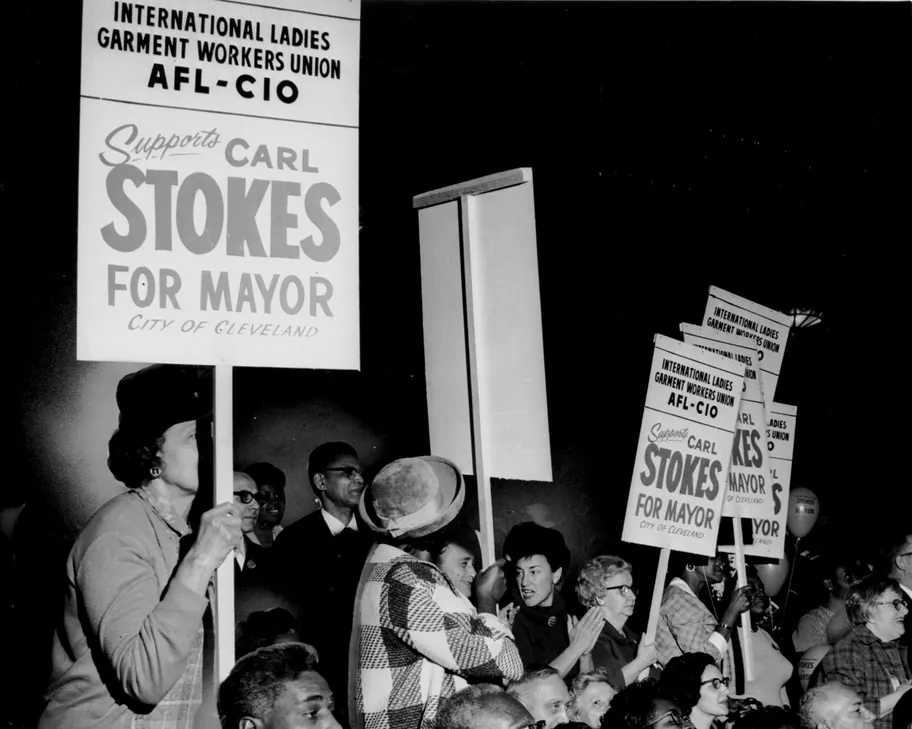
- Study political history. The Western Reserve Historical Society’s Stokes Oral History Project Collection includes 34 interviews, conducted to commemorate the 50th anniversaries of Carl Stokes’s election as Cleveland’s first African American mayor and Louis Stokes’s election to Congress. Our article on Carl and Louis Stokes offers context.
What are Black History Month ideas for churches?
Congregations often hold some of the most important Black history in any city, in their records, photographs and the memories of their members. Black History Month is a natural time to honor that history.
- Record the elders. Invite longtime members to share their memories of the church and the neighborhood, and record those conversations with signed permission.
- Display the congregation’s own archive. Bring out anniversary programs, photographs and bulletins for an exhibit in the fellowship hall, with names and dates in each caption.
- Start a church history project. A February program can launch a longer effort. Our guide on how to write a church history book explains the steps.
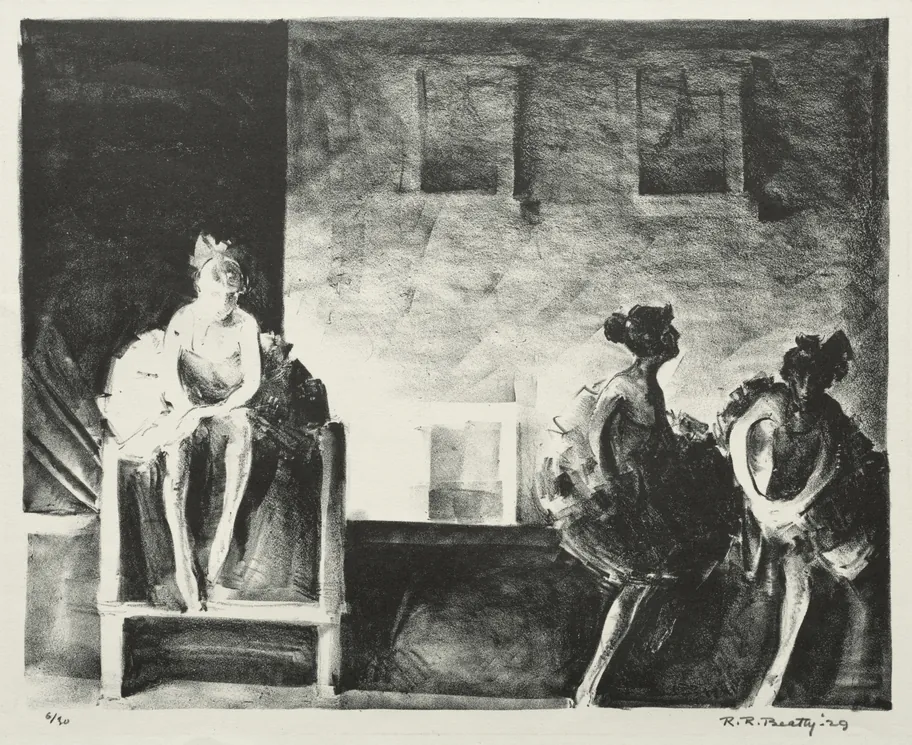
- Celebrate local arts. A program on Black theater and art in Cleveland can begin with our history of Karamu House.
How do you choose a Black History Month speaker?
Choose knowledge over fame. ASALH’s history records that by the 1930s Woodson complained about “intellectual charlatans” seeking to take advantage of public interest in Black history, and that “he warned teachers not to invite speakers who had less knowledge than the students themselves.”
Before booking a Black History Month speaker, ask what research the talk rests on, which archives the speaker uses, and how the talk will connect to your community. Ask for a short outline and a list of sources. A speaker who works with local records can give your audience history they will not find in a textbook, about streets and institutions they know.
What are MLK Day program ideas?
Federal law lists the “Birthday of Martin Luther King, Jr., the third Monday in January” among legal public holidays, and the U.S. Office of Personnel Management lists it on Monday, January 18, 2027. Organizations that observe both can treat MLK Day as the opening of a season that runs through February.
Good MLK Day program ideas connect the national movement to local history. Host a community conversation about civil rights history in your own city, lead a walking tour of nearby historic sites, or record the memories of residents who lived through the era. Cleveland Voices, the oral history collection at Cleveland State University, includes the interviews of the East Cleveland Oral History Project, and those 25 interviews show how much local memory a single project can preserve.
Why should you plan Black History Month in the fall?
February comes quickly once the holidays begin. Planning in the fall leaves room for research, permissions and promotion, which are the parts that make a program memorable.
- September and October: set goals and an audience. Decide whom the program serves, what you want them to learn, and whether you will also mark MLK Day.
- October: choose the theme and a local focus. Confirm the ASALH theme, then pick a person, place or institution from your own community.
- October and November: research. Start with local repositories. The Western Reserve Historical Society’s African American Archives, established in 1970, collect documents, photographs and artifacts about African American life, history and culture in Northeast Ohio. Our guide to Cleveland history archives lists other places to look.
- November: book the speaker. Vet expertise using the questions above, and confirm the date, length and audience.
- December: secure permissions. Clear every image and recording you plan to show, follow each collection’s terms of use, and credit narrators and photographers by name.
- January: promote and rehearse. Announce the program, prepare materials, and hold your MLK Day event on January 18, 2027.
- February: deliver and preserve. Record the program with permission, gather feedback, and save the research for next year.
Why Black History Month matters now
February 2026 marked a century since the first Negro History Week, and ASALH’s 2026 theme invited the country to look back on that century of commemoration. Woodson’s conviction that history is made by the people is a practical guide for planners: the most meaningful programs bring forward the Black history of the neighborhoods, workplaces, schools and congregations where audiences live.
Mays HisToracle Consulting offers public talks and Black History Month program design for workplaces, schools, churches and community institutions.
Questions people ask
What is the Black History Month theme?
The Association for the Study of African American Life and History (ASALH) sets the national theme each year. The 2026 theme was “A Century of Black History Commemorations,” marking a century of national commemorations. ASALH’s list of themes names “From Black Print Culture to Digital Blackness” for 2027. Confirm the current theme at asalh.org before printing materials, and cite asalh.org, which is ASALH’s only requirement for using the theme.
Who started Black History Month?
Carter G. Woodson and the Association for the Study of Negro Life and History, which he formed with A. L. Jackson and three others in Chicago on September 9, 1915. Woodson announced Negro History Week in 1925, and it was first celebrated in February 1926, in a week that included the birthdays of Abraham Lincoln and Frederick Douglass. The celebration expanded to a month in 1976.
When should we start planning a Black History Month program?
Start in the fall. A good program needs time to choose a focus, research local history, find and vet a speaker, secure permission for any images or recordings, and promote the event. Organizations that also mark Martin Luther King Jr. Day, which falls on Monday, January 18, 2027, can plan both together and build one season of programming rather than two rushed events.
How do we choose a Black History Month speaker?
Choose expertise over celebrity. By the 1930s, according to ASALH, Carter G. Woodson warned teachers not to invite speakers who had less knowledge than the students themselves. Ask a prospective speaker what research the talk rests on, which archives and sources they use, and how they will connect the subject to your community. A historian who works with local records can tie national history to your own city and neighborhoods.
What are good MLK Day program ideas?
Federal law sets the Birthday of Martin Luther King, Jr. on the third Monday in January, which is January 18, 2027. Strong programs connect King’s era to local history: a discussion of civil rights history in your own city, a walking tour of nearby sites, or a panel of community members recording their memories with permission. Pairing MLK Day with February’s programs gives the season a clear arc.
Sources
- Origins of Black History Month, Association for the Study of African American Life and History (ASALH).
- Black History Themes, Association for the Study of African American Life and History (ASALH).
- About African American History Month, Library of Congress, National Archives and partner agencies (blackhistorymonth.gov).
- 5 U.S. Code § 6103: Holidays, Legal Information Institute, Cornell Law School.
- Federal Holidays, U.S. Office of Personnel Management.
- African Americans in Cleveland (tour), Cleveland Historical, Center for Public History + Digital Humanities, Cleveland State University.
- In Search of the Underground Railroad (tour), Cleveland Historical, Center for Public History + Digital Humanities, Cleveland State University.
- Green Book Cleveland, Center for Public History + Digital Humanities, Cleveland State University.
- Resources for African American History, Western Reserve Historical Society.
- Black Trailblazers, Leaders, Activists, and Intellectuals in Cleveland, Cleveland Memory Project, Cleveland State University.
- East Cleveland (collection), Cleveland Voices, Cleveland State University.
- Carter G. Woodson: Teacher, Historian, Publisher, National Archives and Records Administration.